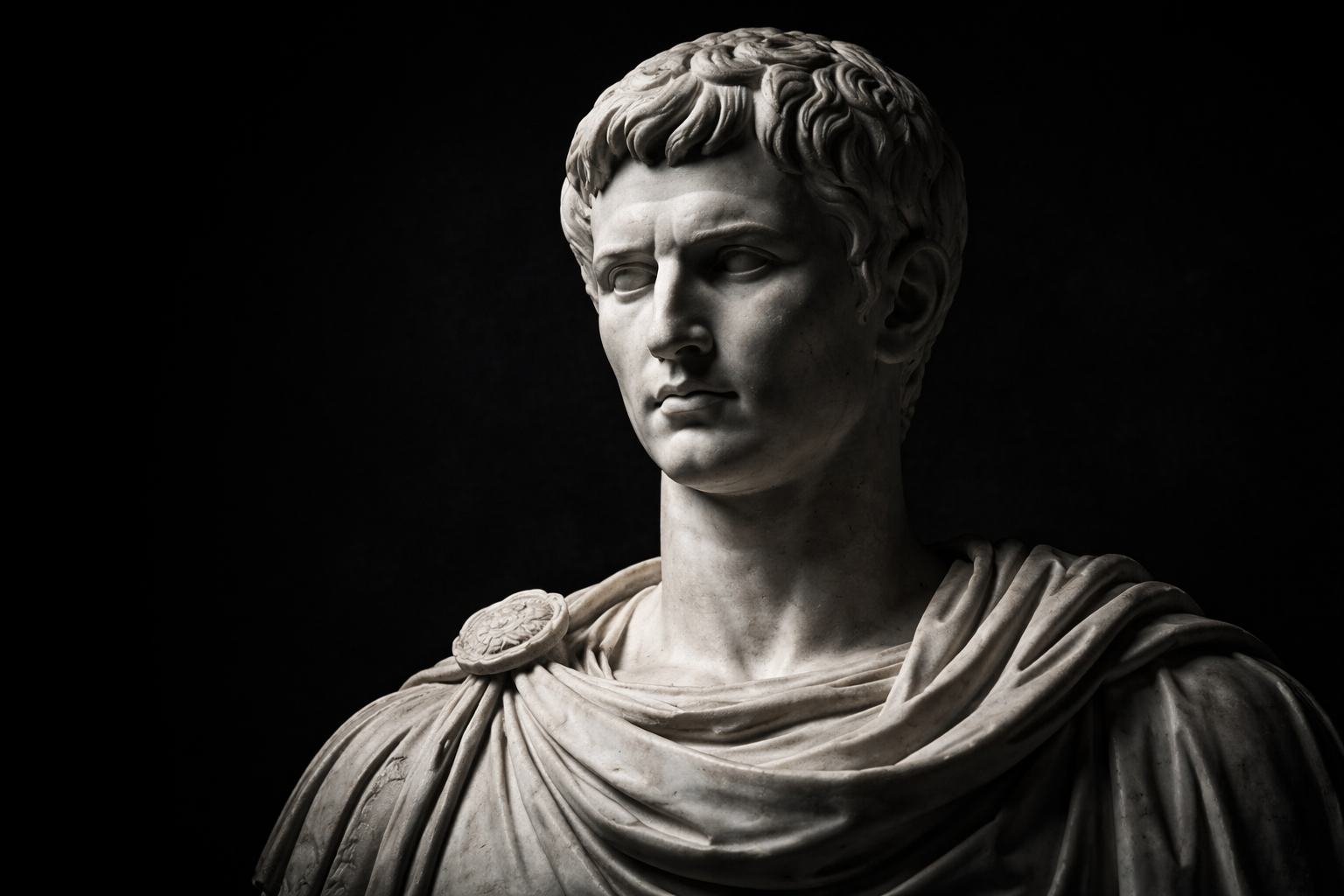
Some cultures rise fast. Others endure.
Latinity is not a trend, not a political bloc, not a mere linguistic label. It is a mental and moral structure forged across more than two thousand years of continuous history.
While certain modern cultural models are built on efficiency, market logic, and speed, we are built on something older and deeper: memory, law, aesthetics, and dignity.
Rome did not only leave ruins. Rome left method. Rome left order. Rome left a way of understanding the law, the city, the family, and honor.
We are not a “periphery.” We are an ancient trunk.
When a Catalan says porta, when an Italian says porta, when a Romanian says poartă, this is not a random phonetic coincidence. It is a signal of a long chain still transmitting power—a chain that survived invasions, wars, empires, ideological storms, industrial revolutions, and globalisations.
Anglo culture is strong, dynamic, pragmatic. But its dominance as the global model is relatively recent. We, on the other hand, have spent two millennia producing philosophy, law, architecture, theology, literature, art, and systems of thought.
Against speed, permanence.
The modern Anglo world moves fast. We know how to remain. They master technology. We master concept. They optimise processes. We build civilisation.
Latinity is depth. A taste for nuance. The long debate in the public square. Roman law still breathing inside our codes. An aesthetic of proportion, measure, and form.
Pride without complexes.
To be Latin today is not a costume. It is historical consciousness. We do not ask permission to exist. We do not need to disguise ourselves as something else. We are heirs of Rome, the Mediterranean, the cathedral, the forum, Scholastic discipline, and Humanism.
And we are still here. Catalans. Italians. French. Romanians. Ibero-Americans. Different, yes—but bound by a common nerve: Nervus Latinus.